
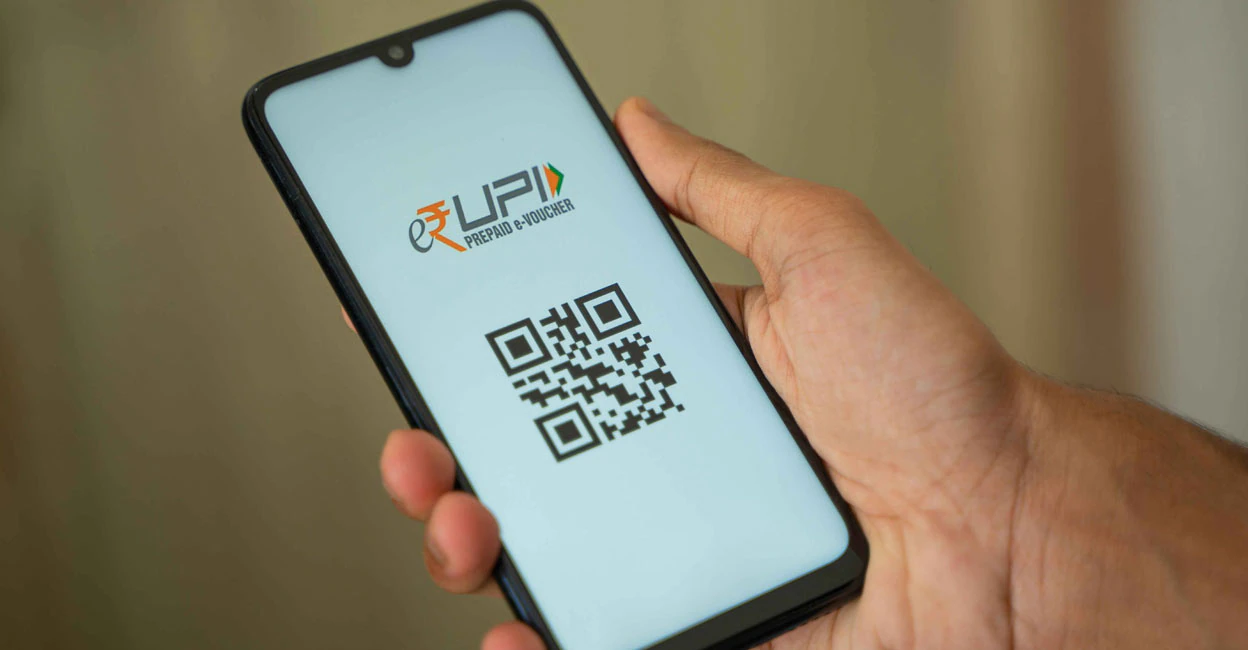
Unified Payment Interface (UPI) has become one of the most popular ways for transactions in India. To improve convenience in payments, the governor of the Reserve Bank of India (RBI) recently launched a new feature called UPI Lite X. This feature will allow users to send and receive money while being completely offline. RBI governor Shaktikanta Das introduced the latest UPI feature at the Global Fintech Fest 2023.What is UPI Lite XUPI Lite X will allow users to initiate and complete transactions while they are in locations with no connectivity. This includes underground stations, remote areas and more. The feature will let customers send and receive money while being fully offline.What NPCI said about the featureIn a statement, the National Payments Corporation of India (NPCI) said: “Building on the success of the UPI LITE feature, the RBI Governor launched UPI LITE X for Offline payments. Through this feature, users can now both send and receive money whilst being completely offline, therefore, allowing users to initiate and execute transactions even in areas with poor connectivity, such as underground stations, remote areas, etc. UPI LITE X will be accessible to anyone with a compatible device that supports Near Field Communication (NFC). UPI LITE payments are faster than other payment methods, as they require less time to process the transaction.”How is it different from UPI and UPI LiteUPI Lite is a payment solution that uses the NPCI Common Library (CL) app to process low-value transactions. Currently, the transaction amount has been set at below Rs 500. This feature is like an ‘on-device wallet’ that allows users to make real-time small-value payments without using a UPI PIN.On the other hand, UPI is a 24×7 instant payment system that allows users to transfer money in real time between two bank accounts. According to the NPCI website, UPI is built over the Immediate Payment Service or IMPS infrastructure. Both these features are very different from the latest UPI Lite X. While making a transaction using UPI or UPI Lite, the recipient does not have to be physically present and will be able to accept the funds from anywhere in the country. These transactions can be completed either by scanning the QR code or by using the recipient’s UPI ID or linked phone number. However, UPI Lite X transactions will need both the sender’s and the receiver’s devices to be nearby. During UPI transactions, money is sent instantly from one bank account to another. Meanwhile, in the case of UPI Lite money is transferred from the sender’s on-device wallet or UPI Lite account to the recipient’s bank account.UPI Lite X transactions use NFC to transfer money between the sender’s on-device wallet and the receiver’s on-device wallet. This eliminates the need for internet access as the transaction takes place between on-device e-wallets rather than bank accounts.For UPI, the maximum amount that can be transferred in a day from a bank account is Rs 2 Lakhs. Meanwhile, UPI Lite’s maximum limit for a single transaction is Rs 500, while the maximum limit in a day is Rs 4,000. There’s no such limit announced for UPI Lite X.
Senators Want ChatGPT-Level AI to Require a Government License
The US government should create a new body to regulate artificial intelligence—and restrict work on language models like OpenAI’s GPT-4 to companies granted licenses to do so. That’s the recommendation of a bipartisan duo of senators, Democrat Richard Blumenthal and Republican Josh Hawley, who launched a legislative framework yesterday to serve as a blueprint for future laws and influence other bills before Congress. Under the proposal, developing face recognition and other “high risk” applications of AI would also require a government license. To obtain one, companies would have to test AI models for potential harm before deployment, disclose instances when things go wrong after launch, and allow audits of AI models by an independent third party. The framework also proposes that companies should publicly disclose details of the training data used to create an AI model, and that people harmed by AI get a right to bring the company that created it to court. The senators’ suggestions could be influential in the days and weeks ahead as debates intensify in Washington, DC, over how to regulate AI. Early next week, Blumenthal and Hawley will oversee a Senate subcommittee hearing about how to meaningfully hold businesses and governments accountable when they deploy AI systems that cause people harm or violate their rights. Microsoft president Brad Smith and the chief scientist of chipmaker Nvidia, William Dally, are due to testify. A day later, senator Chuck Schumer will host the first in a series of meetings to discuss how to regulate AI, a challenge Schumer has referred to as “one of the most difficult things we’ve ever undertaken.” Tech executives with an interest in AI, including Mark Zuckerberg, Elon Musk, and the CEOs of Google, Microsoft, and Nvidia make up about half the almost two dozen strong guest list. Other attendees represent those likely to be subjected to AI algorithms, and include trade union presidents from the Writers Guild and union federation AFL-CIO, and researchers who work on preventing AI from trampling human rights, including UC Berkeley’s Deb Raji and Humane Intelligence CEO and Twitter’s former ethical AI lead Rumman Chowdhury. Anna Lenhart, who previously led an AI ethics initiative at IBM and is now a PhD candidate at the University of Maryland, says the senators’ legislative framework is a welcome sight after years of AI experts appearing in Congress to explain how and why AI should be regulated. “It’s really refreshing to see them take this on and not wait for a series of insight forums or a commission that’s going to spend two years and talk to a bunch of experts to essentially create this same list,” Lenhart says. But she’s unsure how any new AI oversight body could host the broad range of technical and legal knowledge required to oversee technology used in many areas from self-driving cars to health care to housing. “That’s where I get a bit stuck on the licensing regime idea,” Lenhart says.
From Ather To Nazara — Indian Startups Raised $257 Mn This Week
The month of September began with a positive upswing in funding for Indian startups. Between September 4 and September 9, 2023, Indian startups collectively secured $257 Mn across 18 deals. This week’s funding further marks a significant increase of 394% compared to $52 Mn raised by Indian startups in the previous week. The week witnessed one mega deal, with Ather Energy bagging $108 Mn from Hero MotoCorp and GIC. Funding Galore: Indian Startup Funding Of The Week [Sept 4 – Sept 9] Date Name Sector Subsector Business Model Funding Round Size Funding Round Type Investors Lead Investor 6 Sept 2023 Ather Energy Cleantech Electric Vehicle B2C $108 Mn – Hero MotoCorp, GIC 7 Sept 2023 Nazara Games Media & Entertainment Gaming B2B B2C $61.4 Mn – Nithin Kamath, Nikhil Kamath, SBI Mutual Fund 5 Sept 2023 Pepperfry Ecommerce B2C Ecommerce B2C $23 Mn – – – 5 Sept 2023 Captain Fresh Agritech Market Linkage B2B B2C $20 Mn Series C Extension SBI Investments, Evolvence Capital, Tiger Global, Accel Partners, Matrix Partners India, Prosus Ventures 8 Sept 2023 Brine Fi Fintech Investment Tech B2C $16.5 Mn Series A Pantera Capital, Elevation Capital, Starkware, Spartan Group, Goodwater Capital, Upsparks Ventures, Protofund Ventures Pantera Capital 5 Sept 2023 Atomicwork Enterpristech Horizontal SaaS B2B $11 Mn Seed Blume Ventures, Matrix Partners, Storm Ventures, Neon Fund Blume Ventures, Matrix Partners 5 Sept 2023 Flipspaces Consumer Services Hyperlocal Services B2B $4 Mn Pre-Series B Prashasta Seth Prashasta Seth 7 Sept 2023 altM Cleantech Biotech B2B $3.5 Mn Seed Omnivore, Theia Ventures, Thai Wah Ventures, Sanjiv Rangrass, Neha Mudaliar, Maninder Gulati, Mirik Gogri, Paula Mariwala Omnivore 5 Sept 2023 Cirkla Ecommerce B2B Ecommerce B2B $3 Mn Seed Matrix Partners India, Stellaris Venture Partners Matrix Partners India, Stellaris Venture Partners 5 Sept 2023 Manastu Deeptech Spacetech B2B $3 Mn Pre-Series A Capital 2B, BIG Capital, E2MC, Sanchi Connect, Wealthy via Ventures, Roots Ventures, Riceberg Ventures, Spectrum Impact Capital 2B, BIG Capital, E2MC 4 Sept 2023 LISSUN Healthtech Fitness & Wellness B2C $1.3 Mn Seed IPV, Rainmatter Capital, Ivy Cap Ventures, WFC, GrowX Ventures IPV, Rainmatter Capital 4 Sept 2023 MappIs KOGO Enterprisetech Horizontal SaaS B2B $1 Mn – MapMyIndia 4 Sept 2023 Sploot Ecommerce D2C B2C $800K Seed Redstart Labs Redstart Labs 5 Sept 2023 Ellipsol Cleantech Solar Tech B2B B2C $301K Seed Capital A, Grand Anicut Fund Capital A 4 Sept 2023 PrintBrix Ecommerce B2B Ecommerce B2B – Seed EvolveX 6 Sept 2023 Madmix Ecommerce D2C B2C – Seed Prime Securities, Authum Investments, Team India Managers Prime Securities 4 Sept 2023 GoodGudi Ecommerce B2C Ecommerce B2C – Seed AC Ventures, April Ventures, Capinity Partners, Kunal Shah, Aprameya Radhakrishna AC Ventures 8 Sept 2023 Aaritya Technologies Fintech Investment Tech B2C – Seed Accel, Elevation Capital Source: Inc42 *Part of a larger round Note: Only disclosed funding rounds have been included Key Startup Funding Highlights Of The Week Bengaluru-based EV scooter manufacturing startup Ather Energy raised $108 Mn from Hero MotorCorp and GIC, making it the biggest fundraise of the week. Fueled by Ather’s fundraise, the electric vehicle (cleantech) sector emerged as the most funded this week, securing $111 Mn across three deals. Ecommerce reported the highest deal count, securing $26.8 Mn. Notably, one-third of all funding deals were in the ecommerce sector, accounting for six out of the total 18 deals reported this week. After a lackluster performance in the past few weeks, the first week of September saw a marked resurgence in investor interest for seed funding. Over $20 Mn was raised across ten seed-stage funding deals. Elevation and Matrix Partners were the busiest investors this week as they participated in two deals each. Startup Fund Launches This Week B2B SaaS-focused venture capital firm Pentathlon Ventures announced the launch of a second fund, Fund II, with a target corpus of INR 450 Cr. The fund plans to invest in 25 startups. Unicorn India Ventures announced the first close of its INR 1,000 Cr Fund III at INR 225 Cr. The VC firm is looking to close the fund by March 2024. The VC firm intends to invest in 25 startups from this fund. Soonicorn Ventures has received SEBI’s nod to launch an angel fund with a total corpus set at INR 250 Cr. It also has an additional INR 250 Cr green-shoe option. National Real Estate Development Council (NAREDCO) Maharashtra has announced the launch of INR 50 Cr RealTech Fund to back proptech startups. Anicut Capital has secured an investment of INR 50 Cr from the Small Industries Development Bank of India (SIDBI) for the Anicut Equity Fund. Startup Acquisitions Of This Week Delhi NCR-based omnichannel meat brand Good To Go acquired Chennai-based meat delivery startup TenderCuts in a distress sale. Reliance Retail Ventures Limited (RRVL) is acquiring a majority stake (51%) in Alia Bhatt’s children’s wear D2C brand Ed-a-Mamma. Oneglint Media Solutions, a photography solutions company, acquired Memzo – an AI-powered photo-sharing product. PowerSchool, a cloud-based software for K-12 education, acquired Chennai-based enterprise resource planning software startup Neverskip for an undisclosed amount. After raising $2.5 Mn, Hybrid Shifting Solution is acquiring Pikkol, an AI-based technology-enabled logistics brand. GOAT Brand Labs has completed the acquisition of the remaining stake in Frangipani, in line with the terms initially set during their majority acquisition in 2021. Other Major Developments From This Week Delhi NCR-based fintech unicorn BharatPe is in talks with existing investors to raise $100 Mn in a new round of funding. Bhavish Aggarwal’s Ola Electric has reportedly raised $140 Mn in a funding round led by Singapore’s sovereign wealth fund Temasek with participation from other existing investors. The Odisha government has approved a grant worth INR 1.28 Cr for 10 startups with an aim to boost innovation and entrepreneurship in the state. The post From Ather To Nazara — Indian Startups Raised $257 Mn This Week appeared first on Inc42 Media.
China’s ban on iPhone for government officials ‘hurts’ Apple
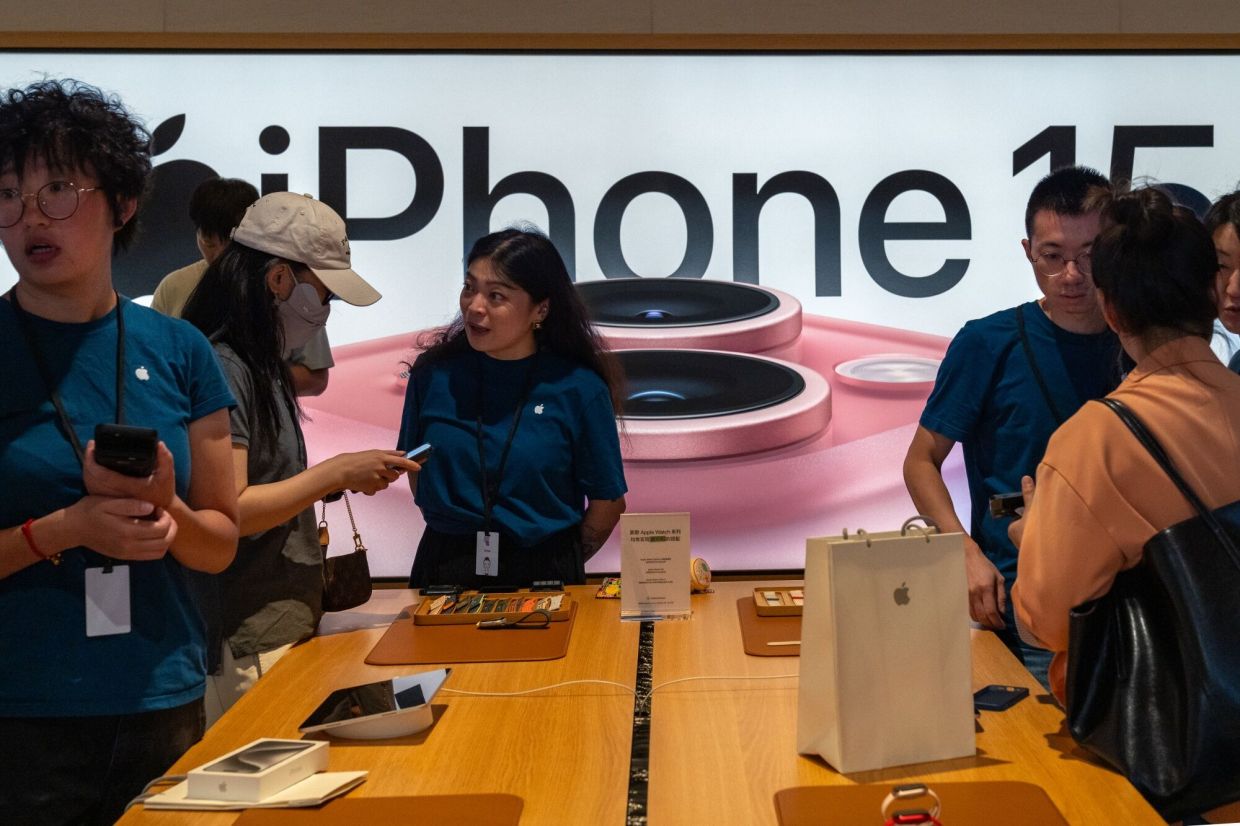
Amidst tensions between Beijing and Washington, China has decided to expand its ban on using iPhones in sensitive departments to government-backed agencies and state companies. Sources familiar with the matter told Bloomberg that several agencies have already instructed their staff not to bring iPhones to work, confirming an earlier report by the Wall Street Journal. The Chinese government plans to further extend this restriction to a number of state-owned enterprises and other government-controlled organisations, revealed the sources. As of now, there is no formal or written injunction in place, so it is uncertain how many companies or agencies will eventually adopt restrictions. Some firms could choose to prohibit Apple devices in the workplace, while others may instruct their staff to avoid their use altogether. The Chinese government has been working for years to eliminate the use of foreign technology in sensitive areas. This effort coincides with the country’s attempt to reduce its dependence on foreign software and circuitry, especially in America. The move could pose a significant challenge for Apple as the company heavily relies on China for revenue growth and manufacturing. China has been one of Apple’s largest markets, amounting to one-fifth of the company’s total revenue in the previous year, and the iPhone sales in China exceeded those in the United States in the last quarter. The shares of Apple dropped by 2.9 per cent on Thursday due to reports that China intends to expand the ban on iPhones for use in government-backed agencies and companies. Apple experienced its largest daily decline in over a month. The company lost approximately $200 billion in just two days, and its stock is currently performing worse than ever before in recent times. Huawei could be the reason behind iPhone ban in China Bank of America analysts noted in a report that the possibility of a ban on iPhones in the US coincides with the launch of a new high-end smartphone by Chinese manufacturer Huawei, the Mate 60 Pro. The US government has opened an investigation into Huawei’s latest smartphone, which was recently launched. This comes after the smartphone was found to be equipped with an advanced 7nm chip produced by Chinese chipmaker SMIC. Despite the US’ restrictions on exporting advanced chip-making machinery to China, the chip offers connectivity speeds that are comparable to those of other 5G-enabled chipsets, while the curb should have pushed China’s chip industry back a decade down the line. National Security Adviser Jake Sullivan has stated that the US requires further information about the new chip’s nature and composition to determine if the parties involved have evaded restrictions on the export of semiconductors. The timing of the ban is seen as “interesting” by the analysts.
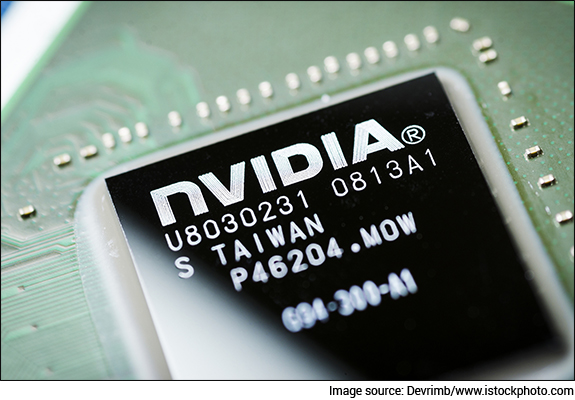
US chip giant Nvidia partners with Tata Group: What the deal means for TCS, Tata Motors and Tata Communications
US chip giant Nvidia announced a collaboration with Tata Group to deliver computing infrastructure and platforms for developing artificial intelligence-based solutions. Nvidia and Tata Group will also work together to build an AI supercomputer powered by the next-generation Nvidia GH200 Grace Hopper super chip. This partnership will also catalyze the AI-led transformation across Tata Group companies ranging from manufacturing to consumer businesses, Nvidia said in a statement. What the deal means for TCS, Tata Motors and Tata Communications The US-based chipmaker is tying up with Tata Group companies — Tata Motors, Tata Consultancy Services and Tata Communications. As per the deal, NVidia will reportedly work with Tata Motors to deploy AI across design, styling, engineering, simulation testing and autonomous vehicle capabilities. The company will help Tata Communications build AI infrastructure. TCS will utilize Nvidia’s AI infrastructure and capabilities to build and process generative AI applications as well as upskill its 600,000-plus workforce. Nvidia CEO and Tata Group chairman on the deal “The global generative AI race is in full steam,” said Jensen Huang, founder and CEO of Nvidia. “Data centers worldwide are shifting to GPU computing to build energy-efficient infrastructure to support the exponential demand for generative AI. We are delighted to partner with Tata as they expand their cloud infrastructure service with NVIDIA AI supercomputing to support the exponential demand of generative AI startups and processing of large language models.” Huang added. Commenting on the collaboration N Chandrasekaran, chairman of Tata Sons, said, “The advancements in AI have made focus on AI a central priority in governments, industries and society at large. The impact of AI and machine learning is going to be profound across industries and every aspect of our lives. Our partnership with NVIDIA will democratize access to AI infrastructure, accelerate build-out of AI solutions and enable upgradation of AI talent at scale. Tata Group’s presence across sectors coupled with NVIDIA’s deep capabilities offers numerous opportunities for collaboration to advance India’s AI ambition.” Earlier in the day, Reliance and Nvidia announced partnership to create AI language models and generative apps for millions of Reliance Jio users.

Here’s Everything You Need To Know About UI, UX
Introduction To UI, UX UI and UX stand for user interface and user experience, respectively. Together, they represent the combined effort of designing the visual as well as the functional aspects of a digital product to create an engaging and user-friendly experience. What Is UI/UX Design? UI/UX design is the process of creating user interfaces and experiences that optimise user satisfaction and interaction with a digital product. It involves the careful consideration of aesthetics, functionality, and usability to ensure a cohesive and enjoyable user journey. What Is UI? UI specifically focuses on the visual design and layout of a digital product. It encompasses the colours, typography, icons, and overall visual elements with which users interact on the screen. What Is UX? UX encompasses the overall experience a user has while interacting with a digital product. It involves aspects such as ease of use, navigation, responsiveness, and the emotional connection users feel while using the product. What Is Material UI? Material UI is a design system and a set of UI components developed by Google. It follows the principles of Material Design, a design language that focuses on creating consistent and intuitive user experience across various platforms and devices. What Is One UI? One UI is a user interface design developed by Samsung for its smartphones. It aims to simplify and streamline the user experience by organising content and interactions in a user-friendly manner, especially for larger screens. What Is UI Testing? UI testing involves evaluating the functionality and usability of a user interface. Testers interact with the UI to identify any bugs, glitches, or design inconsistencies that might affect the user experience. What Is UX Research? UX research involves gathering insights and data to understand user behaviour, needs, and preferences. It informs the design and development process by ensuring that the final product aligns with user expectations and provides a satisfying experience. In the rapidly evolving digital landscape, UI and UX design have become indispensable components for creating successful digital products. By focusing on both the visual appeal and functional aspects of a product, businesses can provide users with an engaging, intuitive, and delightful experience. In the Indian context, the importance of UI and UX design is particularly evident as businesses cater to a diverse and rapidly growing digital audience. UI design in India often includes crafting visually striking elements that resonate with the country’s rich cultural diversity. For instance, a food delivery app might incorporate vibrant colours and icons representing various regional cuisines to appeal to a diverse user base. On the other hand, UX design in India may involve optimising navigation and usability to accommodate users with varying levels of digital literacy. The post Here’s Everything You Need To Know About UI, UX appeared first on Inc42 Media.
Spyware Infection: New flaw in Apple devices led to spyware infection, researchers say
Researchers at digital watchdog group Citizen Lab said on Thursday they found spyware they linked to Israeli firm NSO that exploited a newly discovered flaw in Apple devices. While inspecting the Apple device of an employee of a Washington-based civil society group last week, Citizen Lab said it found the flaw had been used to infect the device with NSO’s Pegasus spyware, it said in a statement. “We attribute the exploit to NSO Group’s Pegasus spyware with high confidence, based on forensics we have from the target device,” said Bill Marczak, senior researcher at Citizen Lab, which is based at the University of Toronto’s Munk School of Global Affairs and Public Policy. He said the attacker likely made a mistake during the installation which is how Citizen Lab found the spyware. Citizen Lab said Apple confirmed to them that using the high security feature “Lockdown Mode” available on Apple devices blocks this particular attack. “This shows that civil society is once again serving as the early warning system about really sophisticated attacks,” said John Scott-Railton, senior researcher at Citizen Lab. The flaw allowed compromise of iPhones running the latest version of iOS (16.6) without any interaction from the victim, the digital watchdog said. The new update fixes this vulnerability. Apple issued new updates on its devices after investigating the flaws reported by Citizen Lab.
Decentralised Crypto Exchange Brine Fi Bags $16.5 Mn Funding, Valued At $100 Mn
The funding round was led by Pantera Capital and also saw participation from Elevation Capital, Starkware, Spartan Group, Goodwater Capital, among others Founded in 2021 by Shaaran Lakshminarayanan, Ritumbhara Bhatnagar and Bhavesh Praveen, Brine Fi is a DEX targeted at institutions and high-frequency traders The fundraise comes at a time when investors are veering towards decentralised crypto exchanges in the aftermath of the collapse of FTX Decentralised crypto exchange (DEX) Brine Fi has raised $16.5 Mn in its Series A funding round, led by Pantera Capital, at a valuation of $100 Mn. The round also saw participation from Elevation Capital, Starkware, Spartan Group, Goodwater Capital, Upsparks Ventures, Protofund Ventures and other angel investors, Brine Fi said in a statement. However, the startup did not specify where it would deploy the fresh funds. “… with Brine Fi we make it easy for institutions, centralised exchanges, HFT traders and retail users to reduce their counterparty risk and at the same time get the best price for their orders in the industry,” said Brine Fi cofounder and CEO Shaaran Lakshminarayanan. Chiming in, Pantera Capital managing partner Paul Veradittakit said, “Brine tackles some of the most important challenges holding back institutional and mainstream user adoption in DeFi. There’s an urgent demand for a self-custodial execution layer that is faster, more reliable, user-friendly, and cost-effective.” Founded in 2021 by Lakshminarayanan, Ritumbhara Bhatnagar and Bhavesh Praveen, Brine Fi is a crypto decentralised exchange targeted at institutions and high-frequency traders. The platform deploys StarkWare’s zkP (Zero Knowledge Proofs) technology which enables privacy on crypto trading positions (avoids frontrunning). It also claims to help users execute orders in milliseconds while remaining fully non-custodial. Brine Fi claims to have so far onboarded some of the world’s largest hedge funds, exchanges and high-frequency traders in the crypto space. The fundraise comes weeks after Brine Fi debuted its orderbook platform which, as per the company, is processing monthly volumes of $300 Mn and is ranked among the top 10 DEXs globally. The fundraise comes at a time when centralised crypto exchanges have come under fire in the aftermath of the collapse of FTX. As a result, a host of traders have veered towards DEXs, seeking to safeguard their portfolios. Brine Fi aims to capture the burgeoning decentralised exchange market, which continues to be plagued by issues such as cumbersome user interface, frontrunning and limited support. Meanwhile, the crypto ecosystem has been hit by regulatory red tape and wary investors who have been spooked by the collapse of crypto exchanges. This has led to a fall in crypto volumes even as nations across the globe move to tighten the noose around these virtual currencies as instances of money laundering via cryptos rise. While the Indian government has been batting for a global framework to regulate cryptocurrencies, Indian crypto startups have been struggling amid funding winter and adverse market conditions. Recently, homegrown crypto exchanges CoinDCX and CoinSwitch laid off a portion of their workforce even as many other similar platforms are experimenting with new business models. With Sequoia Capital recently slashing its crypto fund by more than 65% to about $200 Mn, a slew of other allied players have emerged in the crypto space to leverage the booming web3 economy. As much unfolds in the crypto ecosystem, the fundraise by Brine Fi has come as a much needed respite for the space which has been mired in controversies lately.
FBI Warns: FBI wants you to think through before installing the beta version of apps, here’s why
Installing beta versions of apps to get newer features before others or simply to try out new features and changes coming to apps in future has become a common phenomenon. However, this has led to the rise of a new type of scam and phishing attack. FBI warns about a new beta app scam The Federal Bureau of Investigation has issued a warning against installing beta versions of apps as cybercriminals have started embedding malicious code in mobile beta-testing applications (apps) to defraud potential victims. For those unaware, beta apps are basically pre-release version of apps that developers issue to users in order to test new features and receive feedback based on them in order to improve and refine the overall experience before the official rollout. How malicious beta apps affect users According to the warning issued by the FBI, these malicious apps pose a risk of enabling theft of personally identifiable information (PII), financial account access or device takeover. These beta mobile apps claim to be from authentic sources and pretend to be legitimate by using names, images or descriptions similar to the original apps. How beta mobile app scam works Phishing or romance scams are two main ways for cyber criminals to establish communications with the victim. Once the communication is established, they convince the victim to install a mobile beta-testing app within a mobile beta-testing app environment. They also promise added incentives like large payments for installing and using the apps. The most common beta testing app is cryptocurrency exchange and these apps trick victims into entering account details to make payments in order to invest in cryptocurrency. However, these account details and the funds are transferred to cyber criminals instead. Basically, these apps extort money from victims in the name of investment which is actually a fake investment. To protect this from happening, the FBI has also laid down a couple of recommendations for users, here’s a list of things that you should keep in mind while installing beta mobile apps and to stay safe from such scams. Before installing the beta application, make sure to check app developers and customer reviews. Avoid sending payments to someone you haven’t met or just spoken online even if things look fine from your end. Avoid providing personal information or financial information in emails or messages. Also, do not respond to emails or messages that include links. Do not download or use suspicious-looking apps as a tool for investing unless you can verify the legitimacy of the app. Maintain a vigilant attitude towards urgency or threats in messages, such as warnings of your account being closed or demands for immediate action. Exercise caution when receiving unexpected email attachments, even from familiar contacts. Cybercriminals can manipulate the sender’s information to make it appear trustworthy. Avoid interacting with such messages. If you encounter an email, attachment, or message that raises suspicions, refrain from opening it, even if your antivirus software claims it’s safe. Attackers frequently release new viruses that may go undetected by antivirus programs. Avoid clicking on links within emails or text messages. Many cybercriminals craft convincing messages to deceive users into divulging login credentials. Verify the legitimacy of a link by hovering your cursor over it and checking for any inconsistencies. Scrutinise email attachments and website links, even if they originate from contacts you recognise. Prior to opening attachments, save and scan them for potential threats. Ensure that your software is kept up to date to safeguard against vulnerabilities. Exercise strict control over app permissions and uninstall unused applications to minimize potential security risks.

Logistics Startup Porter’s Operating Revenue Doubles To INR 1,753 Cr In FY23
The Tiger Global-backed startup’s total expenditure also almost doubled to INR 1,946.8 Cr in FY23 from INR 984 Cr in FY22 Porter’s net loss jumped 29% to INR 157.7 Cr in FY23 from INR 122.2 Cr in FY22 Founded in 2014, Porter is an important player in the logistics space with its on-demand marketplace for trucks, bikes and packers and movers Bengaluru-based intra-city logistics startup Porter’s operating revenue crossed the INR 1,700 Cr mark in the financial year ended March 31, 2023. The Tiger Global-backed startup reported an operating revenue of INR 1,753.5 Cr in the financial year 2022-23 (FY23), a 2X jump from INR 847.6 Cr in the previous year. Porter generates revenue by offering services for transportation of goods. Including other income, Porter reported a total revenue of INR 1,789.1 Cr during the year under review as against INR 862 Cr in the previous fiscal year. In line with the revenue, the startup’s total expenditure also almost doubled to INR 1,946.8 Cr in FY23 from INR 984 Cr in FY22. The rise in the expenditure could solely be attributed to the increase in fleet operation cost, which accounted for 80% of the total expenditure at INR 1,578.8 Cr in FY23. Fleet operating expenses stood at INR 786.4 Cr in FY22. Porter also spent INR 185.9 Cr on employee benefit expenses, a 75% increase from INR 106 Cr in the previous year. It must also be highlighted that Porter announced an Employee Stock Ownership Plan (ESOP) liquidation scheme worth INR 50 Cr for its current and former employees in January this year. Porter’s net loss jumped 29% to INR 157.7 Cr in FY23 from INR 122.2 Cr in the previous fiscal year. Founded in 2014 by Pranav Goel, Vikas Chaudhary, and Uttam Digga, Porter is an important player in the logistics sector with its on-demand marketplace for trucks, bikes and packers and movers. The startup recently restructured its leadership team, with cofounder Digga assuming the role of CEO. Earlier, Digga held the position of chief operating officer, a role which the startup has decided to dissolve. Porter has raised over $132 Mn to date and counts Tiger Global, Peak XV Partners, and the Mahindra Group among its backers. The startup competes with the likes of listed unicorn Delhivery, Xpressbees, and Ecom Express.