

New Delhi: India must urgently realign its education, skilling, and hiring systems to keep pace with the rapid transformation of work driven by artificial intelligence, according to a new report released by AI4India. The study outlines a set of imperatives for policymakers, educational institutions, industry, and EdTech platforms, warning that fragmented or delayed responses could leave millions of graduates ill-prepared for the AI-era job market. The report, Future of Employability in the Age of AI: India’s Playbook for Students, Institutions, and Industry, draws on insights from more than 85 interviews conducted between November and December 2025 with leaders from industry, academia, government, EdTech firms, staffing companies, and student communities. The urgency of the research stems from three intersecting crises which, if left unaddressed in 2026, could lead to a fundamental decoupling of Indian higher education from the global economy, directly impacting the employability of an entire generation of graduates, the report asserted. Add Zee News as a Preferred Source At the policy level, the report urged the government to declare AI literacy a national baseline across disciplines rather than limiting it to technical education. It also called for public funding of shared compute infrastructure and device-support schemes to bridge hardware gaps, particularly in Tier 2 and Tier 3 institutions. Incentivising assessment reform instead of banning AI use, and supporting Indic-language AI ecosystems, were highlighted as critical steps to ensure inclusive participation in the AI economy. Universities and colleges are encouraged to shift from “policing” AI to actively teaching with it. This includes redesigning assignments to reflect real-world, AI-augmented workflows, ensuring minimum access to devices and computing resources, and investing in faculty training and communities of practice. “Shift from policing AI to teaching with AI through redesigned assignments and transparent usage norms,” the report stated. The report further recommended that policymakers declare AI literacy a national baseline, fund shared compute and device-support schemes, incentivise assessment reform instead of AI bans, support Indic-language AI ecosystems and Indian datasets, and set a goal for sovereign foundational models under the IndiaAI Mission. It also suggested professionalising AI pedagogy through recognised faculty certification programmes. Industry stakeholders, particularly chief human resource officers (CHROs) and hiring leaders, are urged to play a more active role. The report recommended rewriting job descriptions to reflect AI-augmented responsibilities, adopting portfolio- and task-based hiring models, and launching structured AI apprenticeships for early-career talent. Employers are also encouraged to co-design micro-curricula with universities and share anonymised use-case libraries to better align classroom learning with workplace needs. EdTech and skilling platforms, meanwhile, are advised to move beyond tool-centric tutorials toward capability-building programmes that emphasise reasoning, evaluation, and multi-tool orchestration. The report stressed the importance of integrating Indian sector-specific challenges into learning pathways and designing mobile-first, multilingual experiences suited for low-bandwidth environments.

India proposes Techno-Legal framework for AI governance to balance innovation and risk-details | Technology News
New Delhi: India’s Office of the Principal Scientific Adviser (PSA) has released a white paper on AI governance, proposing a “techno-legal” framework aimed at balancing innovation with risk mitigation. According to an official press release, the framework integrates legal safeguards, technical controls, and institutional mechanisms to ensure the trusted development and deployment of artificial intelligence. Titled Strengthening AI Governance Through Techno-Legal Framework, the white paper outlines a comprehensive institutional mechanism to operationalise India’s AI governance ecosystem. It emphasises that the success of any policy instrument ultimately depends on effective implementation. The proposed framework seeks to strengthen the broader AI ecosystem, including industry, academia, government bodies, AI model developers, deployers, and users. At the core of the initiative is the establishment of the AI Governance Group (AIGG), chaired by the Principal Scientific Adviser. The group will coordinate across government ministries, regulators, and policy advisory bodies to address the current fragmentation in AI governance and operational processes. Within the techno-legal governance context, this coordination aims to establish uniform standards for responsible AI regulations and guidelines. The AIGG will also promote responsible AI innovation and beneficial deployment across key sectors, while identifying regulatory gaps and recommending legal amendments. Add Zee News as a Preferred Source Supporting the AIGG is a dedicated Technology and Policy Expert Committee (TPEC), to be housed within the Ministry of Electronics and Information Technology (MeitY). The committee will bring together multidisciplinary expertise spanning law, public policy, machine learning, AI safety, and cybersecurity. According to the white paper, the TPEC will advise the AIGG on issues of national importance, including global AI policy developments and emerging AI capabilities. The framework also proposes the creation of an AI Safety Institute (AISI), which will act as the primary centre for evaluating, testing, and ensuring the safety of AI systems deployed across sectors. The AISI is expected to support the IndiaAI Mission by developing techno-legal tools to address challenges such as content authentication, bias, and cybersecurity. It will generate risk assessments and compliance reviews to inform policymaking, while enabling cross-border collaboration with global AI safety institutes and standards-setting organisations. To monitor post-deployment risks, the framework introduces a National AI Incident Database to record, classify, and analyse AI-related safety failures, biased outcomes, and security breaches across the country. Drawing on global best practices such as the OECD AI Incident Monitor, the database will be adapted to India’s sectoral realities and governance structures. Reports will be submitted by public bodies, private organisations, researchers, and civil society groups. The white paper also advocates voluntary industry commitments and self-regulation. Industry-led practices, including transparency reporting and red-teaming exercises, are highlighted as critical to strengthening the techno-legal framework. The government plans to provide financial, technical, and regulatory incentives to organisations demonstrating leadership in responsible AI practices, with a focus on consistency, continuous learning, and innovation to avoid fragmented approaches and provide greater clarity for businesses.

Apple iOS 27 Update: AI To Play Crucial Role In Siri, Health, And Search Apps; Check Expected Features, Compatible iPhone Models And Release Date | Technology News
Apple iOS 27 Update: Apple is already setting the stage for its next big iPhone update. The Cupertino-based tech giant is working on iOS 27, which is expected to make its official debut at WWDC 2026 before rolling out to users later in the year. Rather than flashy changes, the update is likely to focus on smoother performance, better stability, and meaningful refinements that improve everyday use. According to early expectations, iOS 27 aims to quietly transform how users interact with their iPhones by making the experience faster, more reliable, and more intuitive. Apple is expected to unveil the first beta of the update on June 8 at WWDC 2026, giving developers and early adopters a first look at what’s coming next. The update is expected in September 2026, aligning with the launch of the next-generation iPhone models. Adding further, Apple is expected to introduce several new features with the upcoming update, many of which are likely to be part of its Apple Intelligence initiative, focusing on smarter, more intuitive tools that enhance everyday iPhone use. Add Zee News as a Preferred Source Apple iOS 27 Update: Features (Expected) Apple is expected to prioritise smoother performance with the upcoming update, focusing on fixing bugs, reducing glitches, and making iPhones more reliable for daily use. Users may notice smoother animations, quicker app launches, and possible improvements in battery life. Artificial intelligence is also set to play a major role, especially in apps like Health and system search. (Also Read: Will GTA 6 Release On PC After Explosion At Rockstar North HQ? Check Expected System Requirements And Price) The Health app could gain AI-powered tools that analyse user data to offer personalised insights and recommendations, while Apple may also introduce a subscription service called Health Plus for expert-led guidance. Adding further, an AI-driven Calendar app is rumoured to automatically suggest schedules and reminders. Beyond AI, Apple is likely to enhance core apps such as Photos with better organisation tools, while AirPods users may benefit from faster and more stable pairing. Siri is expected to get smarter and more personalised, with an improved ability to understand user habits and learn from past interactions to offer more relevant and helpful responses. Notably, it is rumoured that the future iPhone models could even support satellite-based 5G connectivity, helping users stay connected in remote areas during travel or emergencies. (Also Read: OPPO A6 5G Smartphone Launched In India With 7,000mAh Battery; Check Display, Camera, Price, Bank Offer And Other Features) iOS 27 Update Compatible iPhone Models (Expected) Apple is expected to support a wide range of iPhones with the upcoming update. This includes the 2026 flagship lineup, such as the iPhone Fold and the iPhone 18 series, including the iPhone 18, 18 Pro, and 18 Pro Max, all of which are likely to offer full Apple Intelligence features. The update is also expected to reach the iPhone 17 series from 2025, covering the iPhone 17, 17 Air, 17 Pro, and 17 Pro Max, along with the iPhone 16 lineup, including the iPhone 16, 16 Plus, 16e, 16 Pro, and 16 Pro Max. Older models, such as the iPhone 15 series, iPhone 14 series, iPhone 13 series, iPhone 12 series, and the iPhone SE (3rd generation), are also expected to be compatible.

Ubisoft cancelled games: Six titles scrapped, including Prince of Persia: The sands of time remake; fans disappointed | Technology News
Ubisoft cancelled games: The French video game publisher Ubisoft has cancelled several game projects as part of a major company restructuring, disappointing gamers around the world. In an announcement on January 21, 2026, the company confirmed that six games have been cancelled, including the highly anticipated Prince of Persia: The Sands of Time Remake. The move comes as Ubisoft reorganises its internal structure into five specialised “Creative Houses,” each focused on different genres and franchises. According to the company, these changes are designed to help improve creative output and place greater focus on the quality of future releases. Six games cancelled Add Zee News as a Preferred Source Among the six games that have been scrapped, the most talked about is Prince of Persia: The Sands of Time Remake, which many fans had been eagerly waiting for. The remake had been in development for several years and was expected to launch eventually, but Ubisoft said it no longer fits the company’s quality and strategic goals. In addition to the remake, Ubisoft has cancelled four unannounced titles, including three new IPs, along with one mobile game that had not been publicly revealed. The cancellations have led to disappointment within the gaming community, especially among those who were hoping to see these projects come to life. Social media posts from fans have expressed sadness and frustration over the news. (Also Read: OnePlus To Be Dismantled? What It Means For Existing Users As India CEO Breaks Silence And Says…) More games delayed Ubisoft has also confirmed that seven other games currently in development will be delayed to allow developers more time to improve quality. One of the delayed titles is believed to be a remake of Assassin’s Creed IV: Black Flag, which has been rumoured for some time. These delays mean players will have to wait longer for these games to be released, likely in 2027. Company restructuring According to reports, the game cancellations are part of a broader reset aimed at strengthening Ubisoft’s creative strategy. The company plans to focus more on its major franchises and new technologies, including AI-driven game development and improved player experiences. Ubisoft has also revised its financial outlook due to the cancellations and delays, expecting lower bookings and continued cost-cutting measures.
Goodbye to Chinese smartphone monopoly? India likely to launch domestic phone brands in 18 months | Technology News
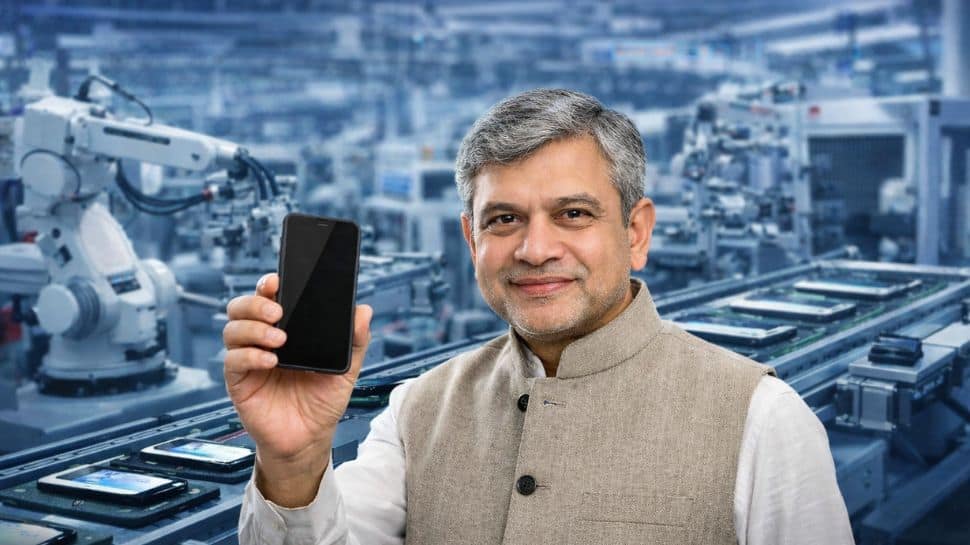
Indian smartphone brands: In a bold and expected move, India is moving closer to launching its own mobile phone brands within the next 12 to 18 months, according to Union Electronics and IT Minister Ashwini Vaishnaw. He made the announcement while speaking at the World Economic Forum in Davos, Switzerland. This development comes as India builds a strong electronics supply network capable of supporting the local production of high-end devices. Experts say this is a major step toward reducing dependence on foreign smartphone makers and boosting domestic innovation. India has already become one of the global leaders in phone assembly and manufacturing. From just two mobile phone units in 2014, the country now has more than 300 production facilities. As of December 2024, more than 99% of phones sold in India were locally made, a sharp rise from 26% in 2014 -15. Add Zee News as a Preferred Source According to industry analysts, India’s electronics manufacturing sector could reach an estimated USD 300 billion by 2026, driven by government incentives and strong export growth. Indian mobile phone exports have surged significantly in recent years, reflecting rising global demand for “Made in India” devices. (Also Read: US exits WHO: From COVID-19 to anti-American narrative, what caused Trump to abandon world body) Government support for domestic brands Union Minister Vaishnaw explained that India’s mature electronics ecosystem now includes many suppliers of phone components, making it possible to build more than just assembled products. He said the groundwork is nearly complete for India to support end-to-end mobile phone brands, from design to production. Officials say political and economic support, including incentives for manufacturing and semiconductor production, will help local companies launch competitive smartphones. More choice for buyers If successful, India’s own phone brands could offer more choices for consumers and reduce reliance on imported smartphones. Analysts also believe this would create new jobs in design, research, and manufacturing. A domestic brand could also improve India’s position in the global tech market and encourage innovation tailored to local needs. This move supports India’s broader “Make in India” strategy and could give a strong boost to India’s developing technology sector.

WEF 2026: India emerges as major AI force backed by reforms, digital infra, says IMF | Technology News
India is emerging as one of the world’s major forces in artificial intelligence (AI), supported by strong reforms, digital public infrastructure, and a skilled technology workforce, said Kristalina Georgieva, Managing Director of the International Monetary Fund, at the World Economic Forum in Davos. The IMF MD pointed to India’s rapidly built digital public infrastructure and deep pool of IT-skilled labour as major strengths, NDTV Profit reported. Georgieva said the IMF holds India in high regard for the pace and quality of its recent economic reforms. Add Zee News as a Preferred Source When asked about comments by Union Electronics and Information Technology Minister Ashwini Vaishnaw, Georgieva said that the Fund believes India’s prospects in AI are “remarkable”. Vaishnaw had recently pushed back strongly against remarks by Georgieva that India is in a “second grouping” of AI powers. Vaishnaw cited a Stanford assessment that showed India ranked third globally on AI preparedness. Georgieva noted that the IMF’s assessment showed AI could boost global growth by up to 0.8 percentage points and that dynamic economies like India stand to gain even more. “India is a very dynamic economy already, and with AI, it would be even more so,” Georgieva said, praising India’s approach to staying competitive while charting its own path on AI development. She confirmed her travel plans to India next month for the AI summit, saying she was “very, very excited” about the visit and described India as “a bright spot on a somewhat cloudy global economic horizon”. She cautioned that globally, expectations from AI are very high, which could cause downturns if they fail to materialise. Georgieva said that in such an environment, countries must focus on strong economic fundamentals, adding that India’s policy focus in this regard is admirable.

Motorola Signature launched in India with 5,200mAh battery: Check price, camera, features, display, and everything you can’t miss | Technology News
Motorola Signature launched: Motorola has officially launched its new flagship smartphone, the Motorola Signature, in India. The smartphone comes with high-end hardware, long-term software support, and a premium design, and is priced at Rs 59,999. The Motorola Signature will be available for purchase exclusively through Flipkart starting January 30. It is offered in two colour options – Pantone Carbon and Pantone Martini Olive. As part of the launch offers, customers using HDFC Bank or Axis Bank cards can avail an instant discount of Rs 5,000, bringing the effective price down to Rs 54,999. Motorola Signature: Camera and battery Add Zee News as a Preferred Source The smartphone features a triple rear camera setup, including a 50MP Sony Lytia 828 primary sensor with OIS, a 50MP ultrawide camera, and a 50MP periscope telephoto lens offering 3x optical zoom. On the front, it has a 50MP autofocus camera equipped in a punch-hole design. It is powered by a 5,200mAh battery with support for 90W wired fast charging, 10W wireless reverse charging, and 5W wired reverse charging. Motorola Signature: Display and performance The smartphone features a 6.8-inch FHD+ LTPO AMOLED display with a dynamic 165Hz refresh rate. The panel supports Dolby Vision and HDR10+ and can reach a peak brightness of up to 6,200 nits. For screen protection, it is equipped with Gorilla Glass Victus 2. The device is powered by Qualcomm’s Snapdragon 8 Gen 5 SoC, paired with LPDDR5X RAM and up to 1TB of UFS 4.1 storage. While the chipset is positioned below the top-tier processors in the segment, it is expected to deliver smooth performance for regular usage, multitasking, and gaming. (Also Read: Wire vs Wireless mouse: Which is faster and better for work and gaming? Features, Performance and speed compared) Motorola Signature: Build and audio The Motorola Signature is IP68 and IP69 certified for water and dust resistance and meets the MIL-STD-810H durability standard. It features a fabric-finished rear panel with an aluminium frame. Audio is handled by stereo speakers tuned by Bose, with support for Dolby Atmos. Motorola Signature: Long-term support The Motorola Signature runs Android 16 out of the box and includes Moto AI features focused on improving productivity and ease of use. Motorola has committed to providing seven years of Android OS and security updates, placing the device alongside brands like Samsung and Google in terms of long-term software support.

India’s digital payments boom: BHIM app records over 300 pc growth in monthly transactions in 2025 | Technology News
The BHIM Payments App witnessed a sharp surge in usage in the calendar year 2025, reflecting India’s growing shift towards UPI-based digital payments. Monthly transactions on the app rose more than four times during the year, highlighting increased trust, ease of use, and expanding payment options for users across the country. Data released by NPCI BHIM Services Limited shows that monthly transactions on the BHIM app grew from 38.97 million in January 2025 to 165.1 million in December 2025. This marks a growth of over 300 per cent in transaction volumes, with the platform recording an average month-on-month growth of around 14 per cent throughout the year. Add Zee News as a Preferred Source Along with higher volumes, the value of transactions also saw a strong jump. In December 2025, transaction value crossed Rs 20,854 crore. Compared to the same period last year, volumes increased by nearly 390 per cent, while transaction value rose by more than 120 per cent. This indicates that users are increasingly using BHIM not only for small daily payments but also for high-value transactions. Delhi emerged as one of the leading markets for the BHIM Payments App in 2025. The growth in the national capital was mainly driven by small-ticket, high-frequency transactions. Peer-to-peer payments accounted for 28 per cent of total transactions, followed by grocery purchases at 18 per cent. Fast-food outlets contributed 7 per cent, eating places 6 per cent, telecom services 4 per cent, service stations 3 per cent, and online marketplaces 2 per cent. The app also gained popularity for IPO mandate authentications and other high-value transactions, underlining its reliability for critical payment and authentication needs. Commenting on the performance, Lalitha Nataraj, Managing Director and CEO of NPCI BHIM Services Limited, said the BHIM Payments App has been designed to offer safe, convenient, and inclusive digital payments, even in areas with low internet connectivity.
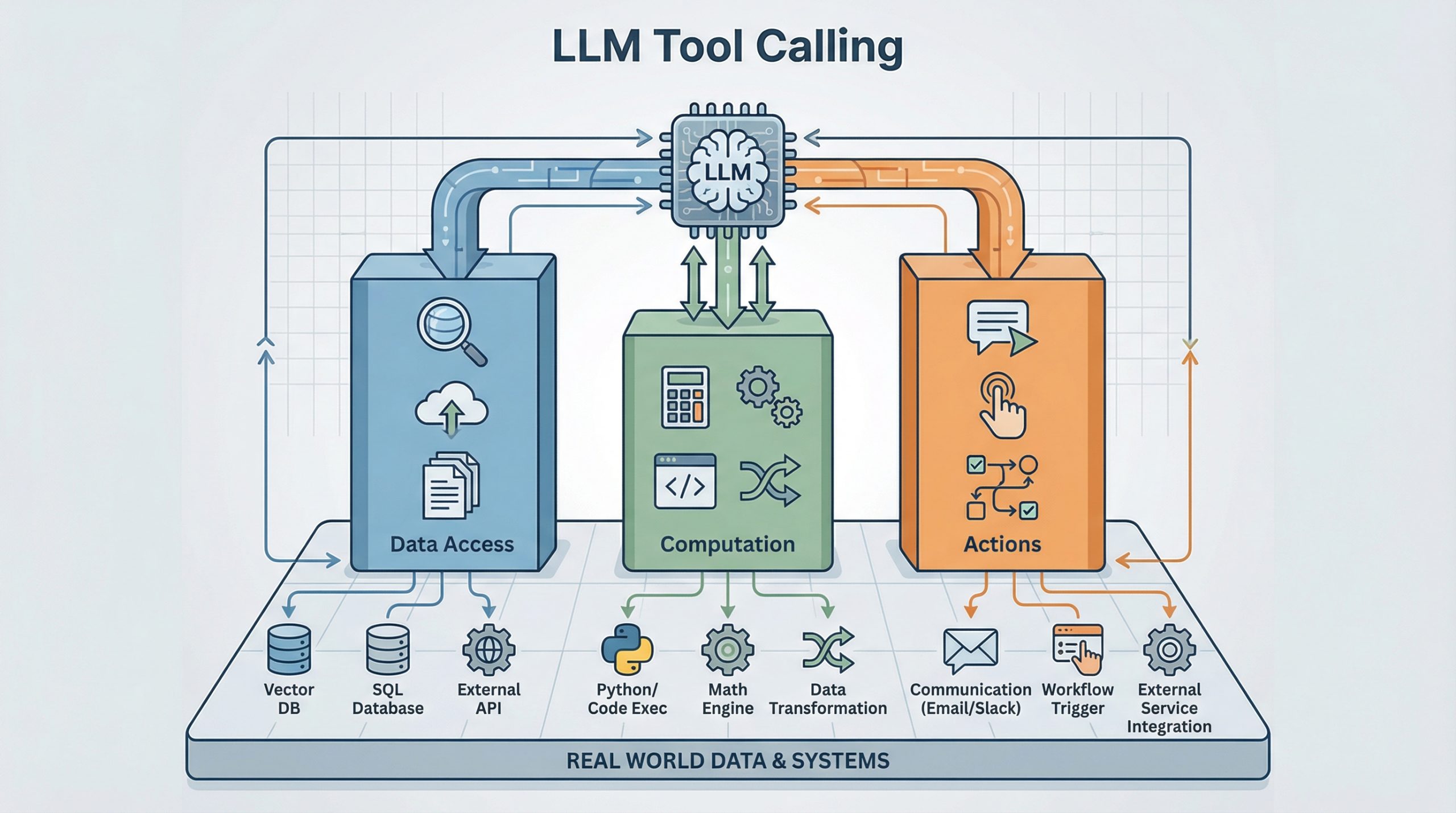
Mastering LLM Tool Calling: The Complete Framework for Connecting Models to the Real World
Mastering LLM Tool Calling: The Complete Framework for Connecting Models to the Real World – MachineLearningMastery.com Mastering LLM Tool Calling: The Complete Framework for Connecting Models to the Real World – MachineLearningMastery.com
Goa ties up with Musk’s Starlink to enhance digital connectivity, disaster resilience | Technology News
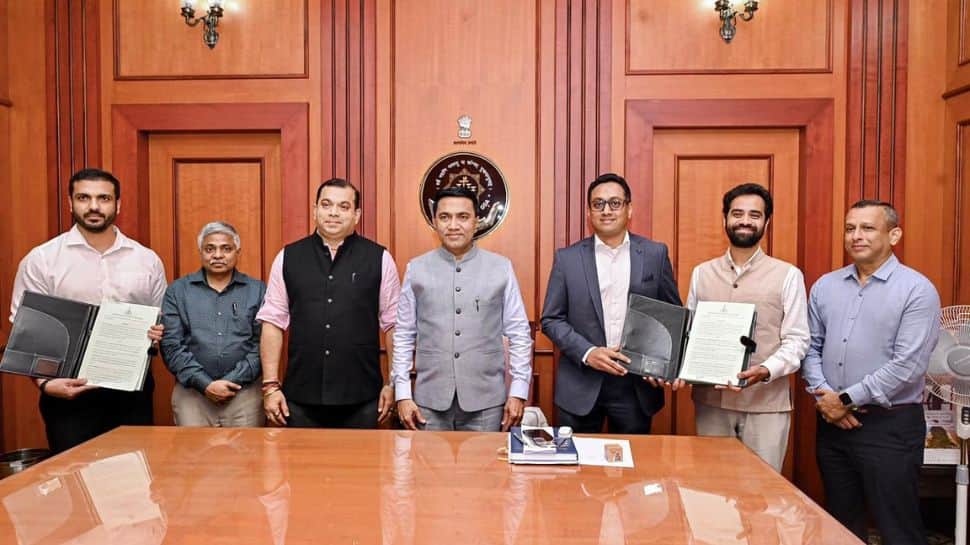
The Government of Goa on Thursday announced the signing of a Memorandum of Understanding (MoU) with Elon Musk-led Starlink Satellite Communications to strengthen digital infrastructure and connectivity across the state. Starlink’s partnership with the Department of Information Technology, Electronics & Communications (DITE&C) aims to explore advanced connectivity solutions to support digital inclusion, public infrastructure, coastal safety, and emergency response capabilities across the state. “The Government of Goa is committed to harnessing technology to drive digital transformation and improve the lives of our citizens. This partnership with Starlink is a significant step towards achieving our vision of a digitally empowered Goa,” Goa Chief Minister Dr Pramod Sawant said in a statement. Add Zee News as a Preferred Source “This partnership with Starlink will transform Goa’s governance landscape, leveraging modern technology to drive efficiency and responsiveness. By bridging the digital divide and enhancing public services, we will make Goa an even more attractive hub for investment, tourism, and talent, while ensuring our citizens reap the benefits of digital progress,” added Rohan Khaunte, Minister for ITE&C. Under the MoU, DITE&C and Starlink will explore opportunities for collaboration in key areas, including digital connectivity, disaster resilience, and smart governance in Goa. Starlink Satellite Communications Private Limited, the Indian entity for SpaceX’s Starlink satellite internet services, has expressed interest in piloting initiatives related to connectivity solutions. These include providing satellite broadband connectivity to select locations with limited terrestrial networks, such as government schools, healthcare facilities, and disaster management centres. The company will also enhance emergency preparedness, build capacity through training, and explore affordable tariff structures for socially beneficial use cases. Additionally, it will support smart governance, tourism, and coastal development by providing connectivity solutions for public infrastructure and services. Through this partnership, the Government of Goa reaffirmed its dedication to digital transformation by leveraging technology to drive innovation, economic prosperity, and citizen welfare, and by building a resilient digital ecosystem for a sustainable future. Starlink India is yet to start its satellite services in the country. The satellite-based internet service is expected to be available for Rs 8,600 per month, while new subscribers will need to purchase a hardware kit priced at Rs 34,000.